
Grounded
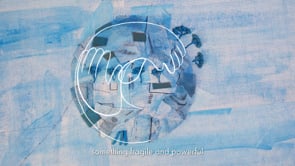
Grounded set out to explore how climate justice is shaped by spatial inequality and how climate crisis is experienced differently across places, bodies, and communities. Rather than treating climate change as a universal or purely environmental issue, the film examines it as a social and geographical phenomenon produced through uneven infrastructures, historical injustice, and power relations.
Emerging from interdisciplinary workshops, the film sought to translate collective reflections into a short visual narrative that foregrounds lived experience. It explores how vulnerability and responsibility are distributed across neighbourhoods and territories, and how dominant climate narratives often flatten these differences. At the same time, it questions what is lost when complex spatial injustices are condensed into policy language or simplified public messaging.
The film also set out to experiment with form, asking how storytelling and animation might communicate spatial inequality differently from academic text. In doing so, Grounded aims to open space for reflection on what it means to pursue climate action that is attentive to place, relational responsibility, and the ongoing production of just and unjust geographies