When Monsters Walked The Earth
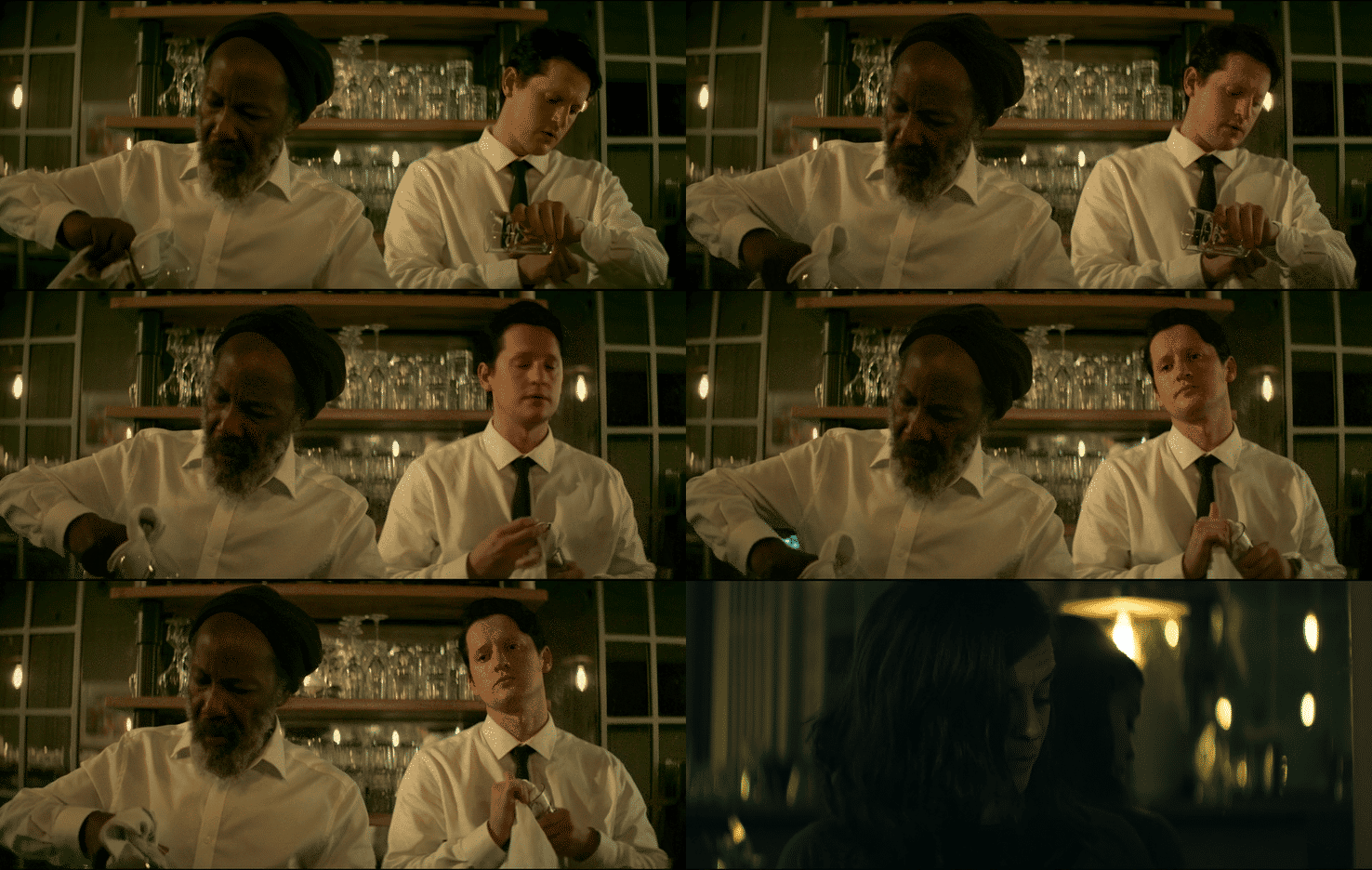
Maryland, USA University of Seville, Spain Grasshoppers have been admired and villainized throughout history. They have experienced significant changes in our world, including those most recently induced by humankind, having to adjust and resist individually and collectively. The film navigates current challenges capitalism has posed on the environment through the lens of this millenary species in rural Maryland. Can grasshoppers show more humanity than humans? This film explores how the current relations of production and intensive use of land affect the environment through the lenses of grasshoppers, a species that has been around for over 250 million years. The filmmakers start from the idea that our world has a form. Mountains, rivers, trees, and bushes… are the result of thousands of years of evolution. They have grown, adjusted, and mutated. But landscapes would not be without human perception, which has always been conditioned to human needs. People have taken whatever they needed from nature to survive and, in the process, have created a way to understand it. Like many other species, human relationships with the environment have never been peaceful. But it has become more violent as the centuries have gone by, first through capitalism organizing spatial relations (land grabs, imperialism) and in recent times because of world population increasing at a similar pace as greed. The film focuses on this evolution, exposing the contradictions of our actions as a species.

When Monsters Walked The Earth

Joven Habana
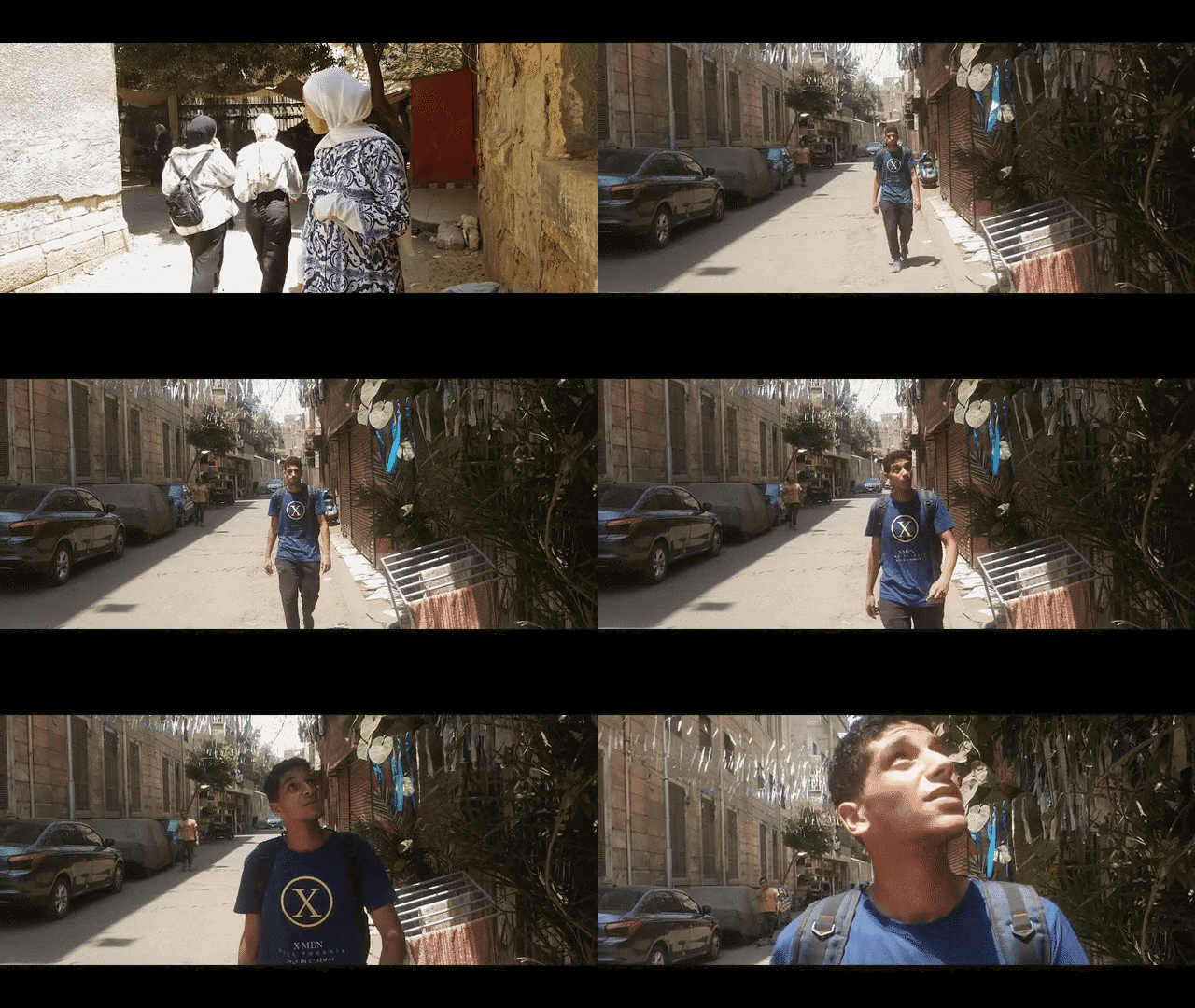
Havana, Cuba Toronto, Canada Spanish with English Subtitles Joanna Kocsis writes: This film was my way of exploring the work of knowledge creation with the ontological and epistemological understanding of knowledge as social, created, performed and resistant. The methodological choice to use film aimed to support the development of knowledge creation activities with groups that have been historically left out of the positivist project of knowledge production. It emerged from a three-year research engagement that explored the identity work and meaning-making of a group of racially- and territorially-stigmatized young people living in Old Havana, Cuba to better the experiences of a group conventionally considered “at-risk”. The film production came near the end of my fieldwork. Before they began writing the film, the teens created their characters, building identities using details from their own lives and the lives of people around them. Some of them expressed a feeling of identification with the characters they created and others insisted their characters were modelled on others, and had little in common with their own experiences. The collective creation of characters led them to be more complex and multidimensional, as each character was created using various points of view and voices. Beyond adding depth, the use of composite stories had the further benefit of protecting the anonymity of individuals whose experiences might be sources of creative inspiration, as stories blended together multiple lives into collective narratives.

Joven Habana

Middle Lands
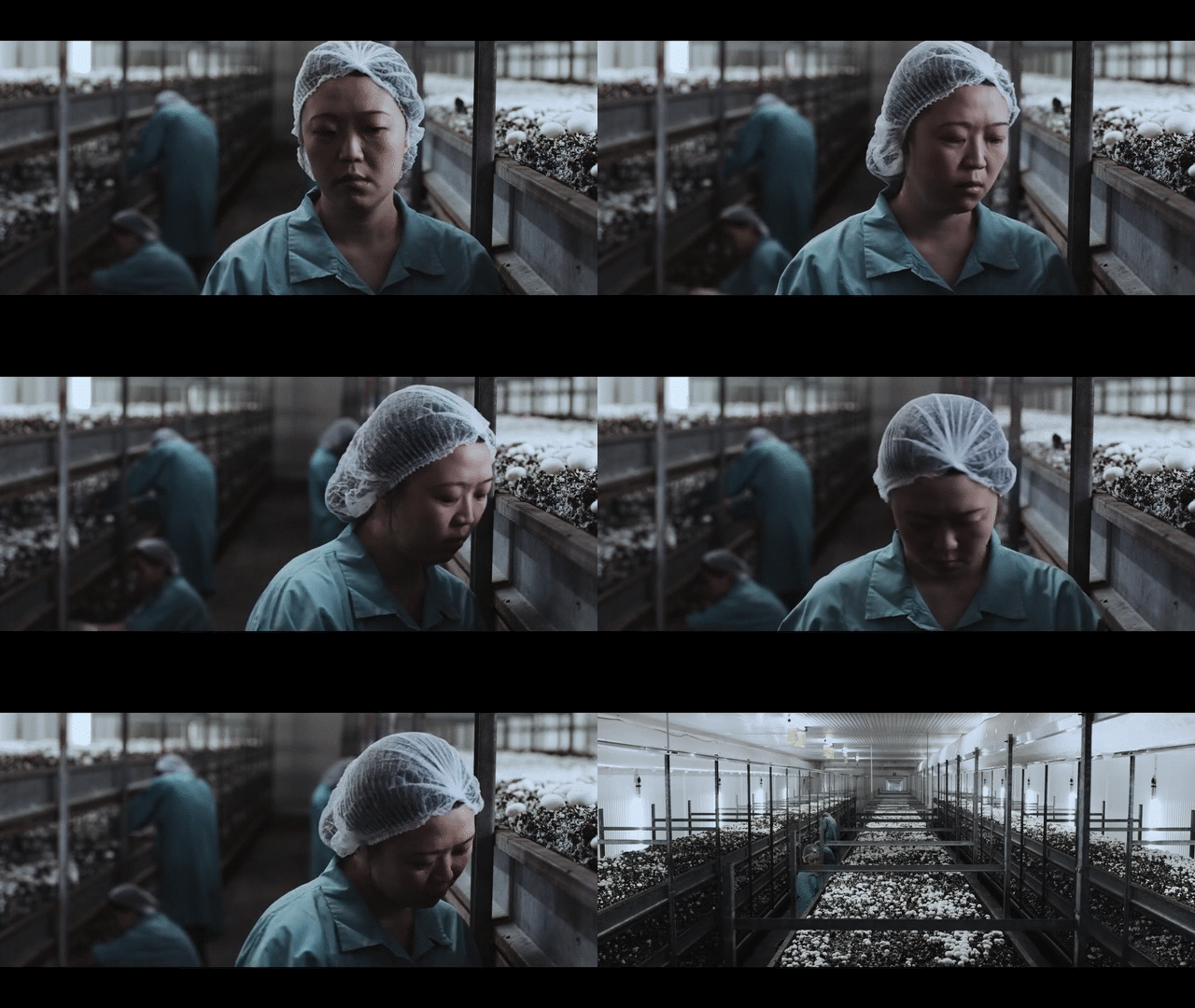
Italian and Chinese Middle LandsFavourite Sara's homework for summer holidays is to grow and take care of a little tomato seedling. But her family lives in a flat, so she will plant it in a small vegetable garden that her grandparents raised in an abandoned and hidden land between town and countryside. The idea of the film is the tip of the iceberg of an etnographic and visual research led in the last years. It is the output of a series of traces, experiences, sensations, listened and imagined stories that take place in the urban-sprawled area of Veneto region of Italy. The research intends to pay attention to the spatial and relational dynamics that affect the margins, understood as interstitial spaces, in this case segments of the "third landscape", spaces that they are usually not considered as identifying and invested with meaning, often invisible places. Sometimes, however, it seems precisely the suspended, hybrid and indecisive status of these spaces to welcome - and in a certain sense reflect - liminal situations, becoming a sort of laboratory and alternative space for relationships: some of these spaces are "adopted" and by individuals or groups are grafted onto them, which activate processes of re-signification, re-appropriation, re-qualification, tracing some points of a new one phenomenology of care. The short film aims to tell one of this experience and how it relates to the surrounding context. - The Chinese female workforce responds perfectly to the logic of industrial production of modern mushroom farms. In particular, the qualities that are appreciated by employers are those of dexterity, precision, speed, resistance to effort, large availability to work and flexibility. Furthermore, “they are not very unionized”. It can be said that the demand for Chinese labor is deeply embedded with the characteristics of the food industry and scale-economies: it constitutes a relatively low-cost, easily replaceable, non-unionized and "silent" labor force, which it allows high and constant production levels, which in turn allow to reduce consumer prices. Shooting a short film allowed me to speak almost freely about these delicate issues. It was a great challenge because both the cast and the crew were Italian-Chinese, in order to live a multicultural and exchange experience. It also was not so easy to find a mushroom farm who allowed us to film.

Middle Lands