
Resisting the Landscape: Sugarcane Doesn’t Make Soup
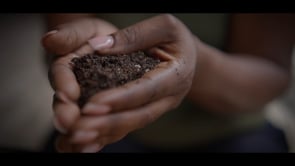
A look at the impact of sugarcane plantations on Afro-descendant communities in southern Valle del Cauca, Colombia, focusing on how spatial confinement extends beyond land and water to threaten life, culture, and autonomy. It documents both historical struggles over land and water and everyday, feminized practices—care, communal gardening, and kitchen gatherings—that sustain life and resistance. By centering mayoras, elder women leaders from El Tiple and El Cabuyal, the film shows how daily acts of care and knowledge sharing create forms of opposition that are often overlooked or undervalued. The accidental creation of the Paso Tiple wetland embodies how life emerges amid dispossession, nurturing community memory, ecological resilience, and collective rights. Through these intertwined narratives of survival, culture, and resistance, the film reveals how communities actively confront spatial injustice and cultivate more just and equitable places, demonstrating that ordinary life itself can be a powerful form of resistance.