Putting the Flesh on the Boneyard
Tuscon, Arizona, USA It is a surreal scene in the Sonoran Desert: rows and rows of old military aircraft, baking in heat and dust. Welcome to the “Boneyard”, one of the largest collections of old aircraft left over from decades of U.S. airpower and warfare around the world. This large site is located inside the Davis-Monthan Air Force Base, an active base on the outskirts of Tucson, Arizona (USA), and is where old aircraft go when their time patrolling the skies of the world comes to an end. Over 4,000 aircraft are housed there, making it one of the largest facilities of its kind. The fieldwork film is part of a project that looks at violence of the military meets everyday civilian life directly, making them intriguing laboratories for understanding everyday militarism. It builds on military geographies and borrows Rachel Woodward’s (2005) definition of a “critical military geography
 which seeks to understand how life in the civilian sphere is shaped by military structures and imperatives” (as summarised by Bernazzoli and Flint 2009, p. 393). "It may seem a stretch to be suggesting that these military museums cause slow violence, which is typically associated with the real embodied suffering of those impacted by environmental racism and other infrastructural conditions. Because of the specific nature of this military infrastructure, one that straddles military and civilian geographies, given the auto-ethnographic work and observations at large, we are compelled to make a linkage between slow violence and epistemic violence, as the later has been elaborated on in the context of museum politics (Tolia-Kelly 2019)This particular form of epistemic violence resembles slow violence, then, we suggest as real harms are distributed as a result. In an infrastructural scenario like the military museum, we must consider these as gaining force from each other."

Putting the Flesh on the Boneyard

Literate
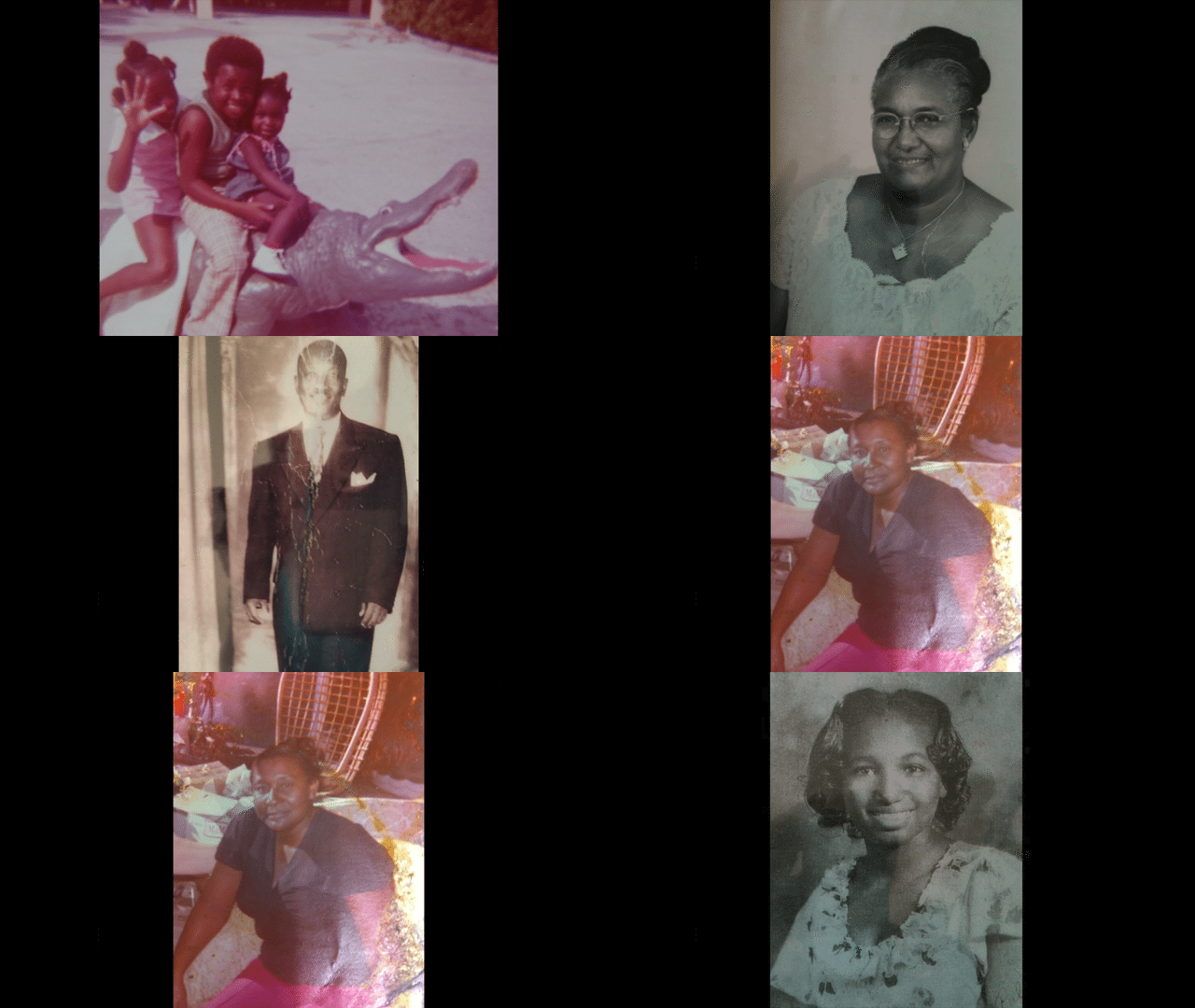
Nepal Nepali with English subtitles Three Nepali siblings from the village document their new lives as city dwelling, young adults. "After making two films about the Darnal family—Drawing the Tiger (2015) and The Eldest Son (2017)—the filmmakers recognized the curiosity of the Darnal teenagers to be behind the camera and document their own lives. Literate is a collaborative, experimental documentary with Sarita, Rashmita and Ram Kumar Darnal as the directors of photography. The film has been edited from their footage, shot over two years. It is a piece still in process, part of a larger, ever-evolving project of documenting the Darnals’ lives over the past decade. Though making documentaries has become more accessible than ever, we recognize that doing so has essentially remained an art of the privileged. Since we started filming the Darnal family in 2008, our films have been part of a deepening and increasingly urgent conversation about whose story is being told, and by whom. ‘Subject,’ ‘character,’ ‘protagonist,’ ‘participant,’ ‘collaborator’—all are used to describe those who appear in a documentary—but to varying degrees, all center the gaze of the producers. We have interviewed Sarita, Rashmita and Ram Kumar about growing up in the village, their education, how they see their futures. We captured and controlled their stories via our western, documentary and narrative lenses. After having pointed cameras at them for many years, we wanted to know what they would choose to show of their own lives. Literate is an exploration of how the Darnals express themselves from behind the lens. Literate does not follow a story arc, but is a collection of images from three young Nepalis during a huge transition in their lives—leaving their village to come to the city as the first in their family to read and write. What do they see? What do they want to say? We have known Sarita, Rashmita and Ram Kumar Darnal since 2011, when they were small children. They participated in two of our previous films, which focused on their older sister and brother. While in production on these projects, the younger kids would pick up our cameras and shoot around the village with their friends. We loved finding these images among our footage. It was like behind-the-scenes from our documentarian presence. Spurred by Nepal’s earthquake, the Darnal family made the decision to move to Kathmandu in 2017. It was at this time the three siblings, now young adults, expressed interest in filming their new lives as city dwellers. We applied for a grant to purchase cameras. The cinematographer on our two previous projects, Shailendra Karki, created a camera training course for them. Our instructions for Sarita, Rashmita and Ram Kumar were the following: Turn on and point the camera when and in the direction you feel compelled; to show the story you want to tell. We then braided their footage together. We are submitting this as a Work-in-Progress due to the project being stalled by the pandemic. We will incorporate more of their commentary in its next rendition. From our ‘fly on the wall’ footage during our previous films with the Darnals, it was not uncommon for a mic’d family member to reflect upon us and our experience: “Why does Amy want to film me do the dishes again? She must be bored. I hope she is not too hungry and hot in the sun.” Although we did not appear on camera, we, the filmmakers, were very much part of the films. When we received the Darnal siblings’ footage via a DHL package in Seattle, it was like Christmas morning. To watch each file was thrilling—to see what they chose to focus on. Ram Kumar witnessing electricity’s arrival in the village of his childhood. Sarita and Rashmita, inseparable sisters, free for the first time as young women going to school in Kathmandu. After watching Literate, all three cinematographers reported feeling the film is not yet complete. They loved filming and felt it empowering. They would like to film more, especially if it could be a paid job. (They did receive a stipend for their participation in this project.) The blocking issue is their very busy lives. Ram Kumar and Rashmita work six long days a week and have only Saturdays to do their housework. Sarita is now married and is newly a mother. Our experience of exploring cultural geography is from a documentary film lens. Our plan is to continue this project with the next step of including the Darnal siblings in the editing process. This to us would be a further dive into this film collaboration. How would they arrange and now comment on the scenes they filmed? What would they say about this footage now that they are older, post-pandemic and calling Kathmandu home?"

Literate

Artwashing Juxtaposed
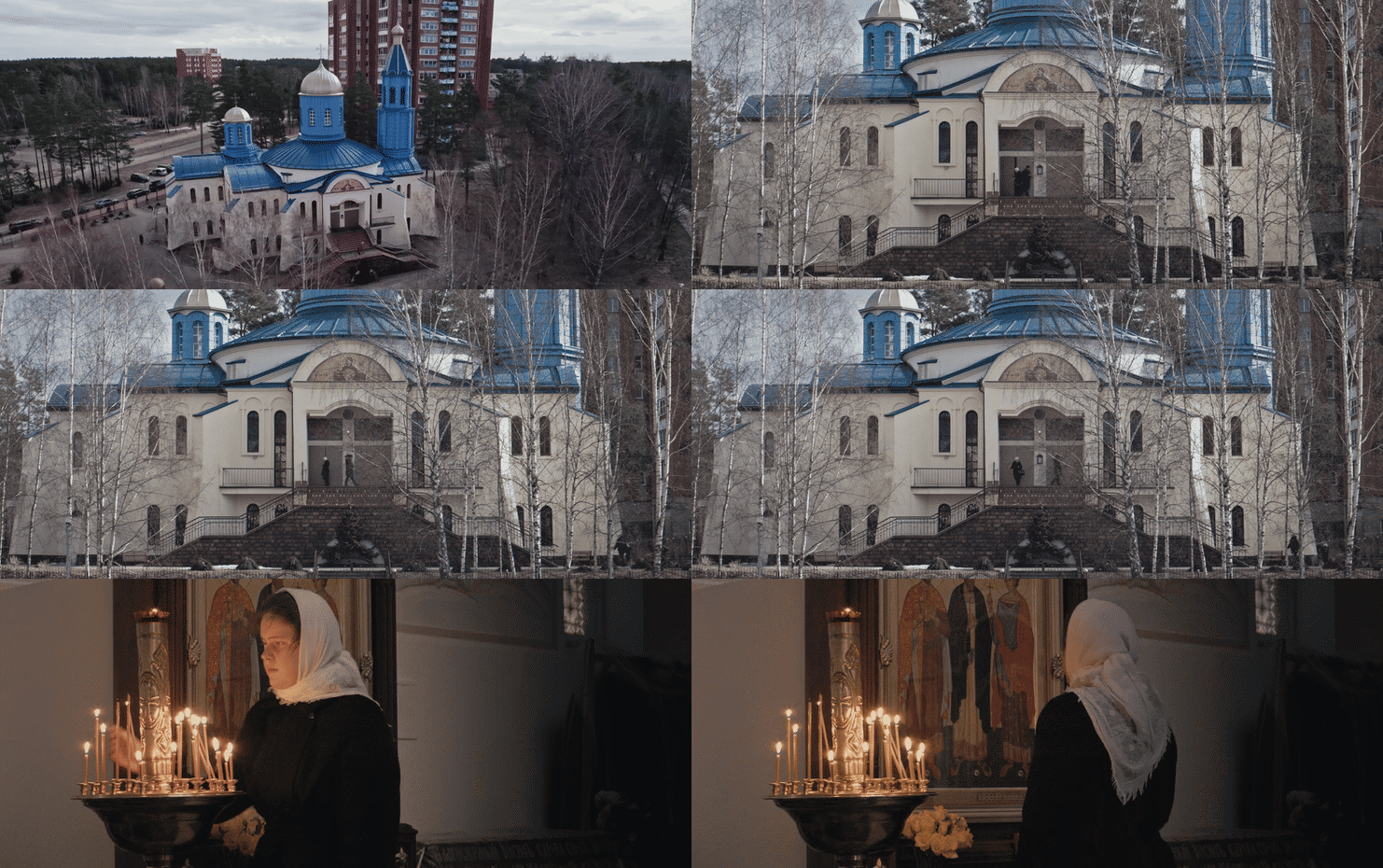
Stellenbosch, South Afrida A multidisciplinary approach to understanding gentrification in the historial rural hamlets of Stellenbosch, South Africa The concept artwashing is juxtaposed in this short documentary film to visualize how art can create awareness about the process of gentrification in affected communities is rural hamlets surrounding Stellenbosch, South Africa. A land art project in each of the three rural hamlets of Stellenbosch (Pniël, Raithby, Jamestown) under threat was designed and constructed in collaboration with world renowned land artist, Strijdom van der Merwe and my urban honours students, with the main purpose to use art as awareness creation. In addition, visual arts students created short animation films on the same topic. Gentrification scholarship in South Africa largely focuses on issues of displacement and change in the social and urban character of neighbourhoods. In this film it is argued that the country is lagging in terms of policies and regulations to manage and/or control gentrification. Using the historical rural hamlets around Stellenbosch, namely, Pniël, Raithby and Jamestown as case studies, an argument is presented for incorporating intangible heritage as part of a proposed gentrification management overlay zone for these hamlets. The hamlets have a rich cultural heritage as they were established with the church as key historical landmarks. However, development-led gentrification poses the risk of destroying their heritage in the near future. In the absence of municipal bylaws and South African legislation and policies for the management of gentrification, experiences from elsewhere in the world are drawn upon, to present recommendations to the Stellenbosch Local Municipality on how gentrification can be managed to the benefit of the hamlets.

Artwashing Juxtaposed

(un)clean (un)seen
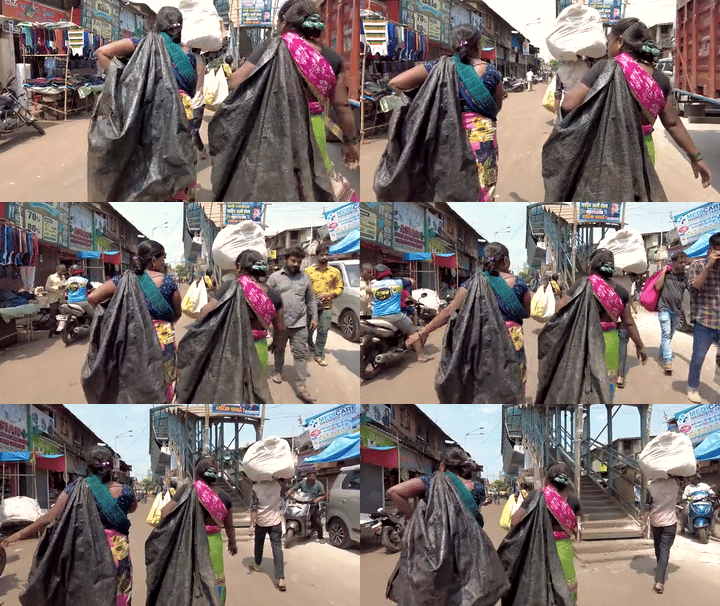
Lumbini, Nepal Nepali Sanitation workers are at the forefront of climate change working in increasingly challenging conditions, often without protection. The film was used to document the final performance of 12 sanitation workers in Nepal. The sanitation workers had attended a series of participatory arts workshops as within an international, interdisciplinary research programme 'Towards Brown Gold' that explored shit, wastewater and marginality in five rapidly developing off-grid towns. The performance and film sought to raise awareness of issues affecting sanitation workers, some of the most precarious workers in the world. This is a performance by twelve sanitation workers in Nepal supported by UK artist Alice Fox and Nepali arts-activist Ashmina Ranjit. The performance was just one element of an international, interdisciplinary research programme on sustainable sanitation, wastewater and marginality. The film documents the performers as they travel to the Women of the World festival held in Lumbini Peace Park Nepal in 2022. Can the performance enhance dignity and respect for the local sanitation workforce? support arts-based forms of knowledge making? surface issues of caste and untouchability? or push sanitation worker rights up the agenda? The film gave apparent value and status to the project (from the perspective of these sanitation workers). If we had more time and contacts (which we do now) we would co-produce the film as well as the performance with a local film maker. The film has been a useful teaching tool to commence discussions around sanitation, untouchability and womens labour in conjunction with other more didactic resources.

(un)clean (un)seen