Spectral Index
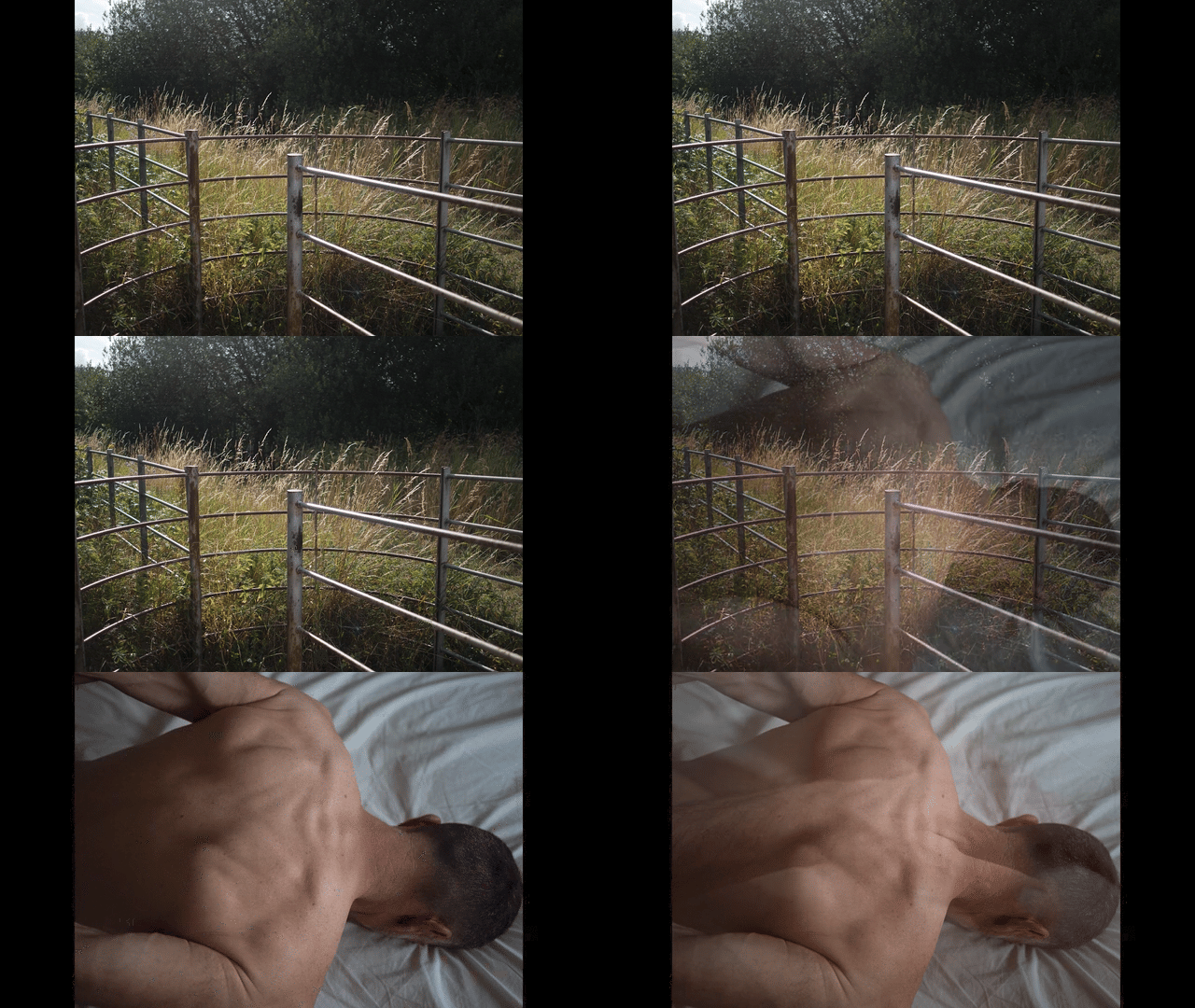
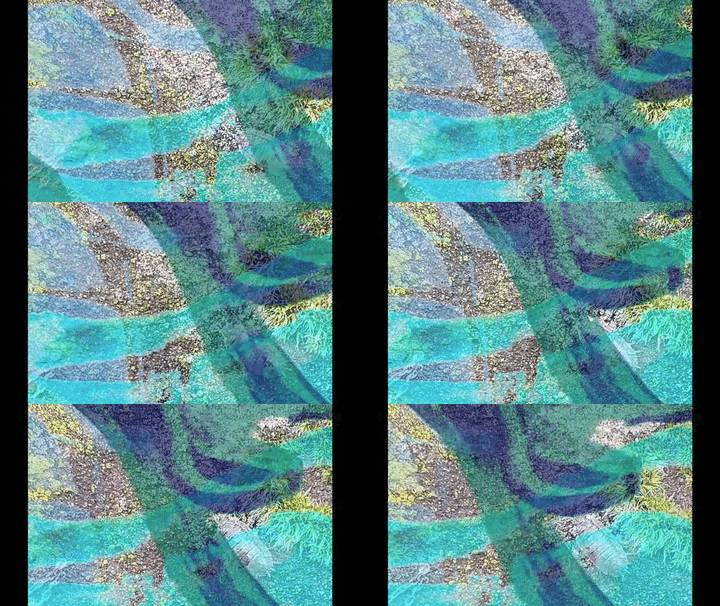
UK Norway, Austria, Chile A ‘spectral index’ is a mathematical image calculation that renders its subject in false colour. In geological prospecting it is used to identify mineral deposits: a technique of mapping terrain for monetary gain. Combining satellite timelapses with infrared drone footage of lithium prospecting sites, and microscope imagery of damaged camera parts, the film considers how this spectral gaze frames our relationship with landscape, both presuming ownership and assuming its future purpose. Mapping has always been a means of circumscribing property, but in the technics of spectral prospecting, the calculation of chromatic values connects directly with a calculation of financial value. The film was developed following a yearlong collaboration with the Horizon EU research project GREENPEG, who were prospecting for lithium-bearing pegmatites within Europe. During this period, I travelled with the consortium's geophysicists to Norway, Ireland and Austria documenting their work and discussing the techniques they used. In my own studio meanwhile I produced satellite timelapses of the landscapes surrounding copper and lithium mines in Northern Chile, and shot microscope footage of damaged camera sensors. While the time spent with GREENPEG generated a lot of footage, very little of it is used in the final film. During the research process it became apparent to me that I was both highly critical of many of the assumptions that are baked into energy transition, and that my interest was in the planetary scale of the problem. Making a documentary style film about a single scientific project would have failed to address this scale, and unjustly targeted the critique at scientists whose motivations are fair. Spectral Index therefore focuses on the systemic aspects of the imaging techniques used, and the profitability calculation that they enable.

Spectral Index

Maalik
Hunza Valley and Kech Pakistan Balochi with English subtitles The film shows how the filmmaker is pre-occupied in his subconscious, he is constantly entangled with thoughts of his identity in addition to the circumstances he is living in. As film progress he goes home, to seek peace. The film is a documentary, fictionalized by following the cinematic tradition of filmmakers from French new wave like Alain Resnais, Chris Marker and many more. The film's self reflective and self referential nature qualifies it as an essay film. It contextualizes the motif of mountains and barren land in very new and fresh way. The visual and the sound is dialectically juxtaposed for the subject who finds peace in the unrest and restlessness in a peaceful place. The film is visually divided into two parts, initially filmmaker where he is struggling to attain peace in mountains. Overall, composition of the frame is very dynamic. Whereas the framing in the end portion is completely different, almost opposite of it. In sound design, gunshots were added to enhance the mental disturbance of the filmmaker. The goal of the film was to show how human beings are being normalised into conditions which are not appropriate to live in. The conflict of sub conscious and existing reality of filmmaker about where he belongs. "I think experimental film making was key point for me to work on this project and its techniques. When I was filming in my hometown, security threats were something which made me think twice before opening my camera to shoot. Because we can't openly film there, states operatives always try to impose their narrative and poses a real threat to life for example forced disappearance, and being abducted. These ground realities were highlighted."

Maalik

1 2 3 4